
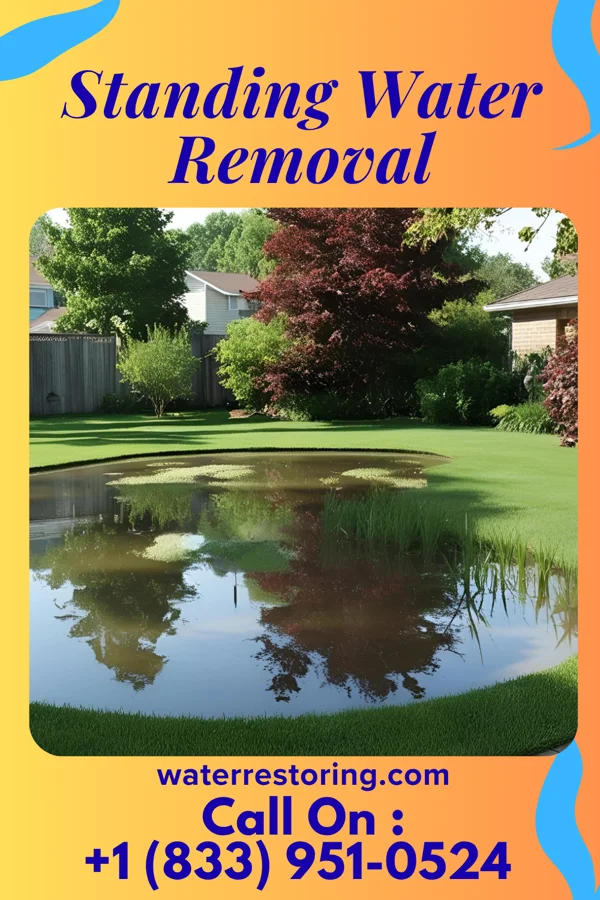
Standing Water & Insurance in Summit
In Summit, Washington, the primary cause of water damage is often due to heavy rainfall and flooding from Clover Creek, which can overwhelm local drainage systems. Additionally, burst pipes in older homes and seasonal snowmelt contribute to water intrusion during the spring thaw. is the trigger behind most standing water removal claims in Summit. A close second is Secondary causes include leaking roofs from storm damage, plumbing failures in rural properties, and groundwater seepage into basements of homes near the creek. These issues are exacerbated by the area's rural layout and limited infrastructure.. Most homeowner insurance policies cover sudden, accidental water damage. What separates a clean claim from a stuck one is fast professional response with documentation an adjuster can actually use.
Summit experiences a temperate climate with significant precipitation, especially in the spring and fall, increasing the risk of water damage. The region's proximity to Clover Creek also means flooding is a recurring concern, particularly during heavy storms.
Most standing water removal calls in Summit come from In Summit, Washington, the primary cause of water damage is often due to heavy rainfall and flooding from Clover Creek, which can overwhelm local drainage systems. Additionally, burst pipes in older homes and seasonal snowmelt contribute to water intrusion during the spring thaw.. Running a close second is Secondary causes include leaking roofs from storm damage, plumbing failures in rural properties, and groundwater seepage into basements of homes near the creek. These issues are exacerbated by the area's rural layout and limited infrastructure.. Local mold risk: Mold growth can quickly develop in Summit's humid conditions, especially after water damage from creek flooding or heavy rains. Prompt mitigation is crucial to prevent long-term structural and health issues.